Valentin Loellmann
Shaping a Sanctuary
In searching for a safe space to feel at peace in this world, Valentin Loellmann has learnt how to build his own, using the essential material of energy.
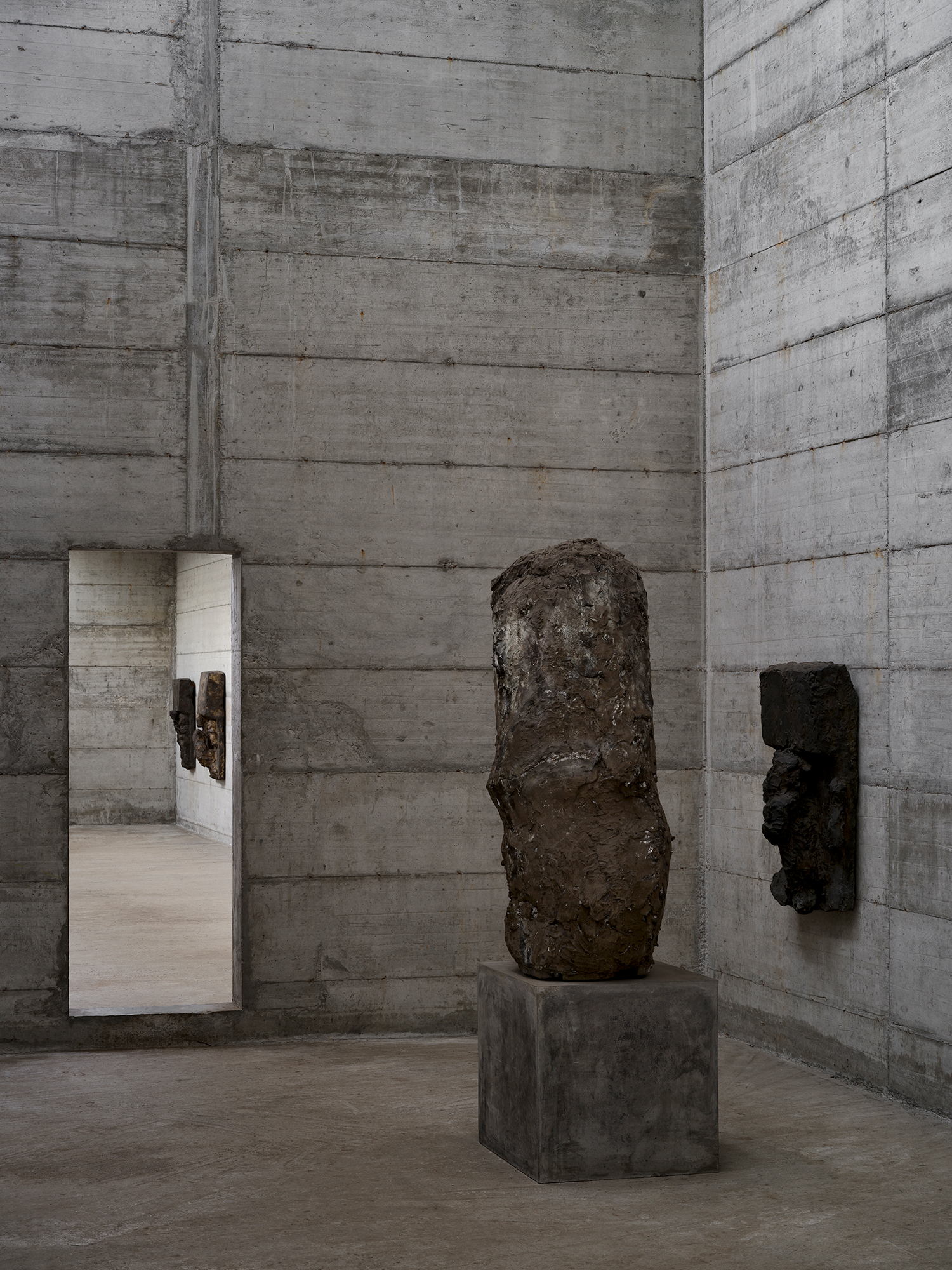
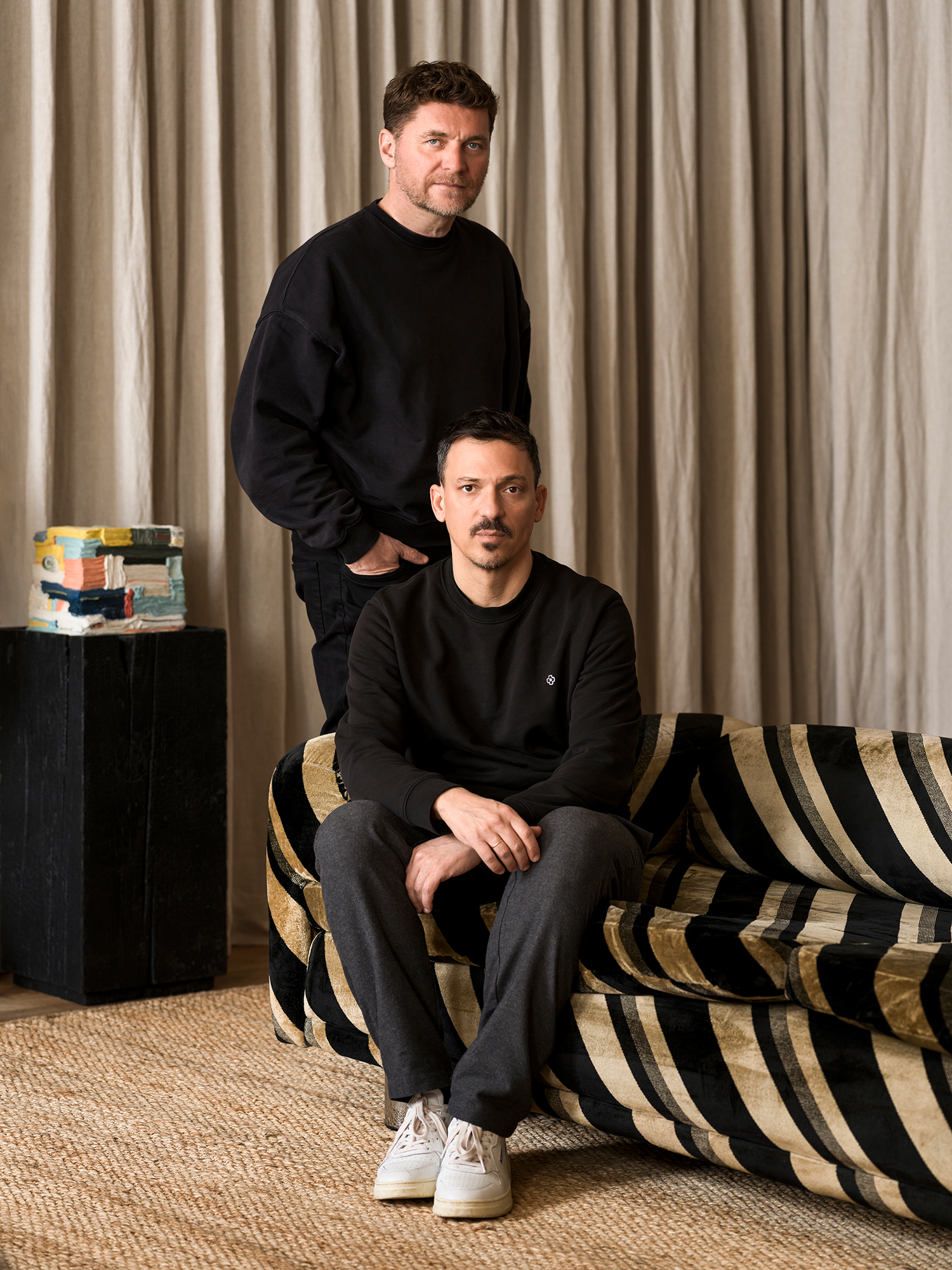
“All my life, I’ve been searching for a home, a safe place. If I don’t find it while I’m alive, then maybe I’ll only find peace after I’m gone,” says Valentin Loellmann. It might sound melodramatic, but that’s not the designer’s intention. He says it calmly and with clarity, from the 5,000-square-metre former gas plant on the edge of the Dutch city of Maastricht that he has spent the past five years renovating by hand. It is a sanctuary in progress, a long, slow attempt to build a world that feels, finally, like his.
Loellmann, now in his early 40s, grew up in southwest Germany, in a rural landscape shaped by fields, forests and the rhythms of domestic life. At his childhood home, a converted farm, his father worked as a ceramicist with little concern for market logic. “They barely had money to feed us,” Loellmann recalls. “But he didn’t want to give up his ceramics and work in a factory.”
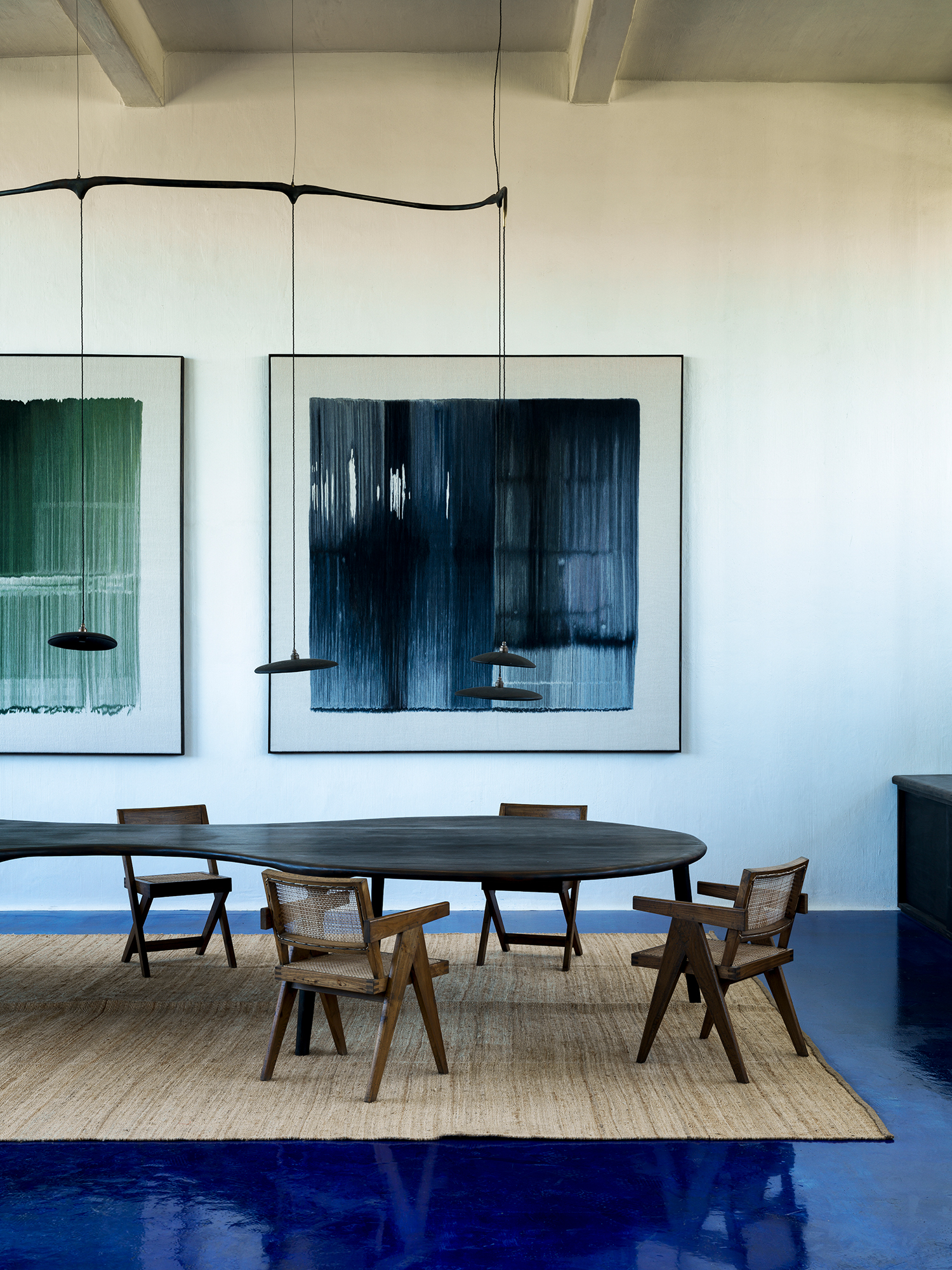
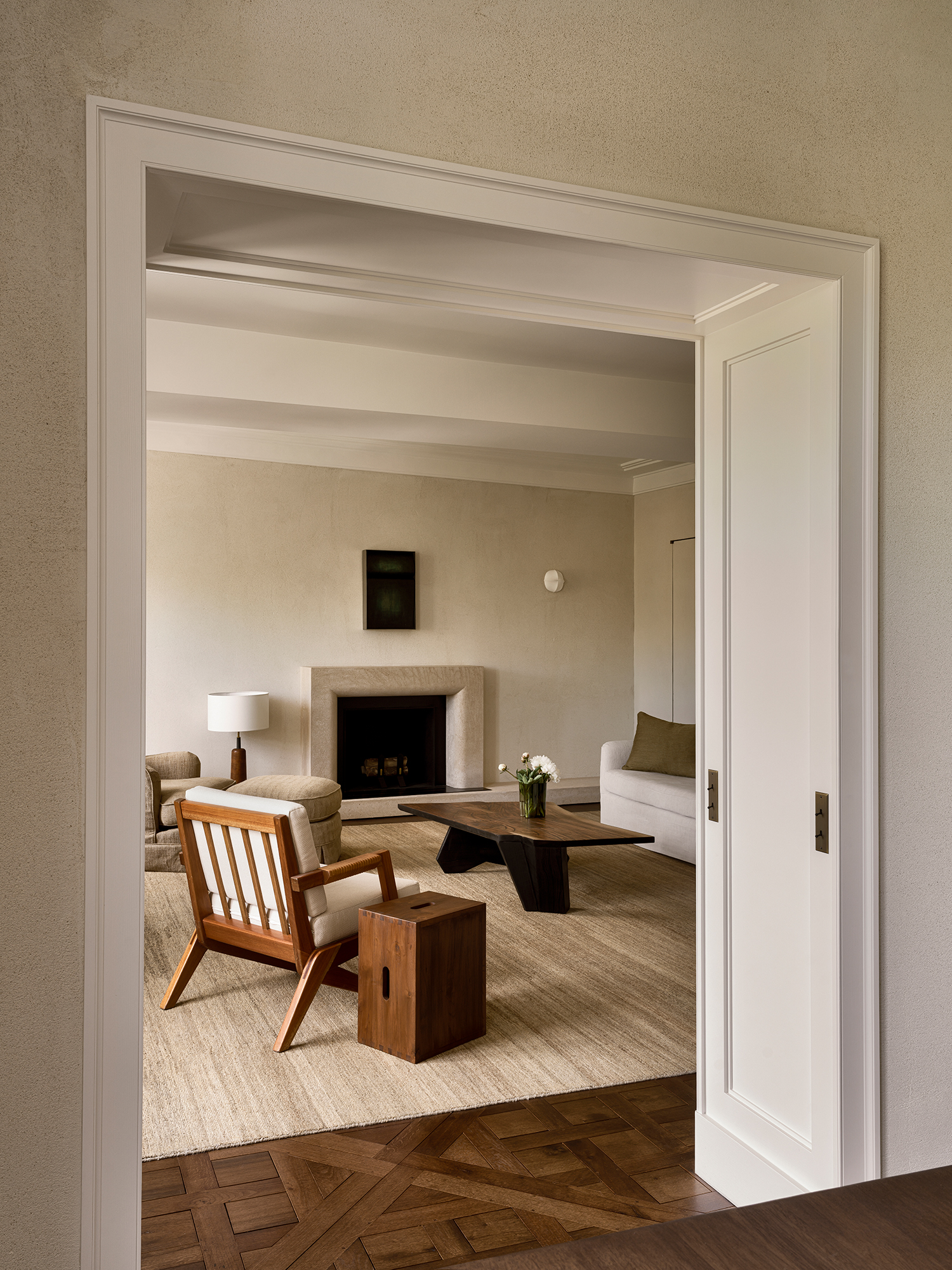
Loellmann’s output is hard to describe because he avoids labels such as ‘designer’ or ‘furniture’ and is protective over his process. Though he studied product design and is often framed within that world: collaborating with international collectible design galleries such as Gallerie Gozzarez, The Edit, Twenty First Gallery and David Gill, as well as designing interiors for Blue Mountain School in London and Aesop stores in Paris and Amsterdam.
He works by instinct, responding to what materials – wood, metal or even space – offer and how they behave in his hands. He’s interested in transmitting emotion and holding sensation: “The feeling of a piece coming to life – that’s my thing,” he says. “If I’m not connected to the piece, it’s just material, hours, a bit of marketing, a name. But that’s not the value. That’s not why I do it.”

For Loellmann, value is emotional. A work isn’t finished unless it carries presence, memory or a charge. That only happens through total involvement – from first touch to final form. He works with a team, but remains fully present, adjusting and sculpting in real time. “Ideally, the form has nothing to do with it,” he says. “What matters is inside the piece – the energy it holds. And ideally, the person who collects it, who lives with it, receives that. Then the piece has done its job.”
After establishing Studio Valentin Loellmann in 2010, collectors, galleries and institutions all responded well to his work. Yet as recognition grew and commissions mounted up, so did a sense of distance and he grappled with his sense of purpose for years beneath a facade of success. With a waiting list that stretched several years ahead and a clientele made up largely of wealthy collectors, he began to question the long-term value of the path he was on. “I realised with all these achievements that none of these things actually matter,” he says. At some point, he knew he had to step out of his ego – to stop placing himself at the centre and contribute to something larger.